-
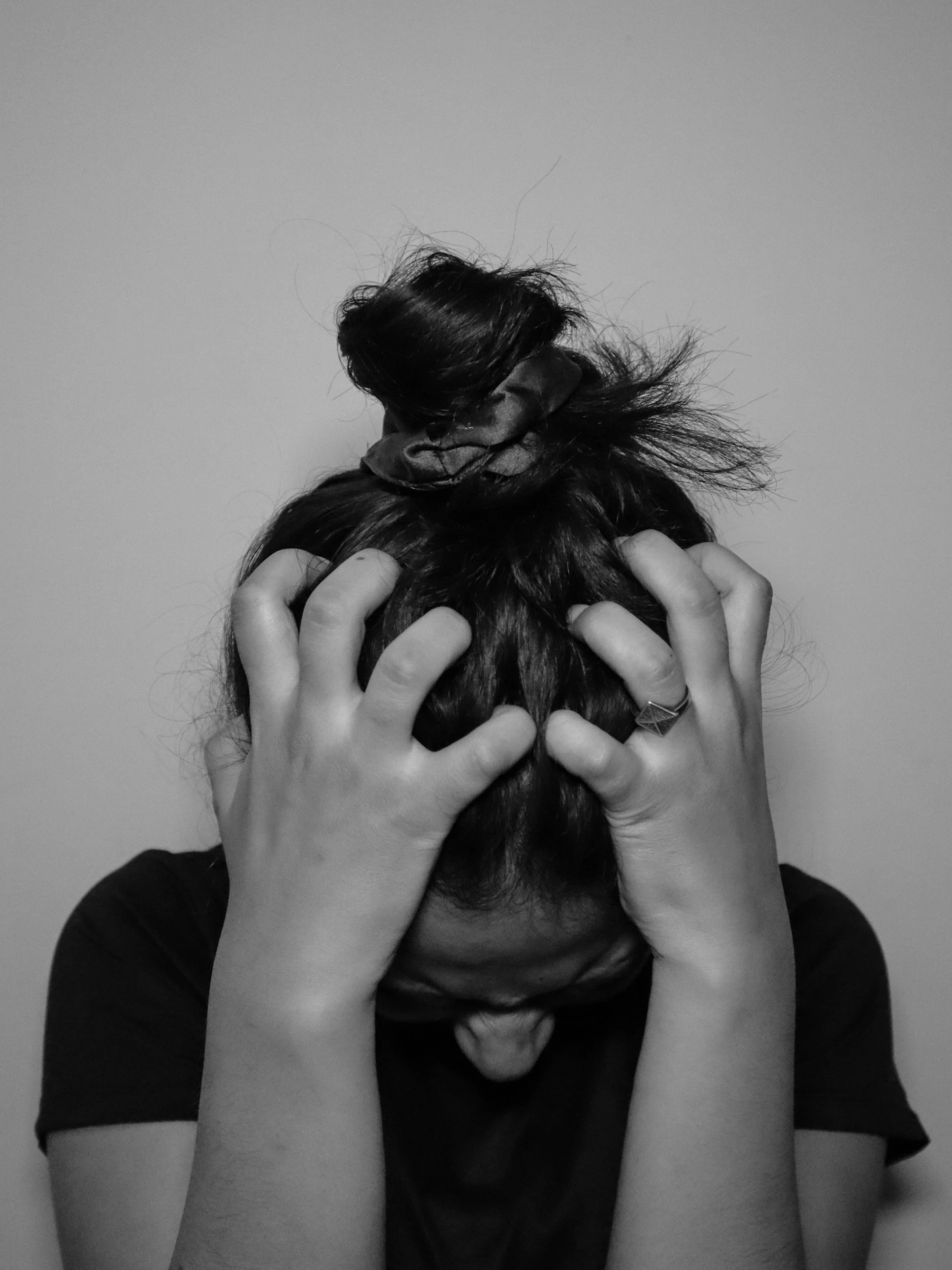
![A person with dark hair is holding their head with both hands, covering their face. The hair is messy and the person is wearing a dark shirt. The background is plain and gray.]()
Anger
THE COVER-UP
Anger is sometimes a secondary emotion, arising in response to more vulnerable feelings such as hurt, fear, shame, rejection, or loneliness. It can feel easier to express frustration than to acknowledge the pain underneath it. Exploring what lies beneath anger can help you better understand your emotional needs and respond in ways that strengthen rather than damage your relationships. -
![A man sitting on a brown leather sofa with his hand on his forehead, appearing distressed or contemplative, in a room with dark teal walls.]()
Anxiety
THE ALARM SYSTEM
Anxiety is your mind and body's threat-detection system. It tries to prepare you for danger, uncertainty, or possible loss, even when the threat isn't immediate or certain. When the alarm becomes overly sensitive, it can keep you in a state of vigilance long after you are safe. -
![Silhouette of a person standing in front of a foggy landscape with trees and a pastel-colored sky at sunrise or sunset.]()
Depression
THE RETREAT
Depression can pull people away from relationships, activities, and experiences that once gave life meaning. Withdrawal may feel protective when everything takes more effort, but it can also reduce opportunities for connection, pleasure, and accomplishment, reinforcing the depressive cycle. -
![A woman with long hair and a colorful jacket standing outdoors in a scenic landscape with mountains and cloudy sky, with her eyes closed and hand touching her face.]()
Spirituality / Faith
THE SEARCH FOR ALIGNMENT
Sometimes, the struggle isn't about losing faith but about trying to live in a way that feels true to both your beliefs and your lived experience. Therapy can offer space to examine inherited expectations, personal convictions, guilt, and doubt without requiring you to arrive at any particular conclusion.



-
![A young woman with red hair, wearing a pink jacket, thinking or contemplating in a room with a blurred group of people in the background.]()
Family Conflict
THE OLD PATTERNS
Family relationships carry histories, roles, and expectations that can shape how we communicate long after childhood. The same conflicts may repeat because each person falls back into familiar ways of protecting themselves, seeking connection, or maintaining control. Understanding these patterns can help you decide which ones you want to change and which boundaries you need to establish. -
![Rear view of a man with short brown hair wearing a pinstripe suit, surrounded by other people, at an indoor event.]()
Grief
THE LOVE CARRIER
Grief is often the reflection of a bond that mattered. When someone or something meaningful is lost, the pain can show up in unexpected ways, from sadness and anger to numbness, relief, or longing. There is no single timeline for grief, and healing doesn't require forgetting or letting go of what made that connection important. -
![A hand reaching toward a rainbow-colored light projection on a wall.]()
LGBTQIA+
THE LIFE BEYOND LABELS
Identity is one part of a much larger person. Whether you're exploring your sexuality or gender, navigating coming out, managing rejection, or simply trying to understand yourself, your experiences deserve room to be understood in their full complexity. Affirming therapy supports self-understanding without treating LGBTQIA+ identities as problems to solve. -
![A pink paper heart with a jagged cut in the middle hanging on a red and white striped string against a black background.]()
Life Transitions
THE UNWRITTEN CHAPTER
Change often means leaving behind familiar routines, roles, or expectations before knowing what will replace them. You don't have to have the next chapter figured out to begin moving toward it. Therapy can help you navigate uncertainty, reconnect with your priorities, and make intentional choices as your life takes a new shape.




-
![Close-up of two people holding hands, one wearing a white sleeve and the other wearing a brown sleeve, against a plain light background.]()
Relationship Issues
THE CONNECTION DANCE
Sometimes, the harder we try to feel secure in a relationship, the more our responses unintentionally push connection away. One person may pursue reassurance while the other withdraws, leaving both feeling misunderstood. Recognizing these cycles can help shift the focus from blaming one another to understanding the pattern and deciding how to respond differently. -
![A person standing on a hill under a starry night sky with the Milky Way galaxy visible, shining in shades of purple, pink, and yellow.]()
Existential Needs
THE SEARCH FOR MEANING
We all encounter moments when familiar goals or expectations no longer explain what makes life worthwhile. Questions about freedom, responsibility, mortality, isolation, and purpose can emerge during transitions or periods of distress. Exploring these concerns can help you develop a more personal understanding of what makes your life meaningful, even when certainty is out of reach. -
![A woman with long, wavy red hair, wearing a white collared shirt, resting her hands on her chest, adorned with rings and red nail polish.]()
Self Esteem
THE INNER CRITIC
The way we evaluate ourselves is often shaped by past experiences, relationships, comparison, and the standards we've learned to uphold. When that internal voice becomes relentlessly critical, mistakes can feel like evidence of inadequacy rather than opportunities to learn. Recognizing where these judgments come from can help you develop a more balanced and compassionate relationship with yourself. -
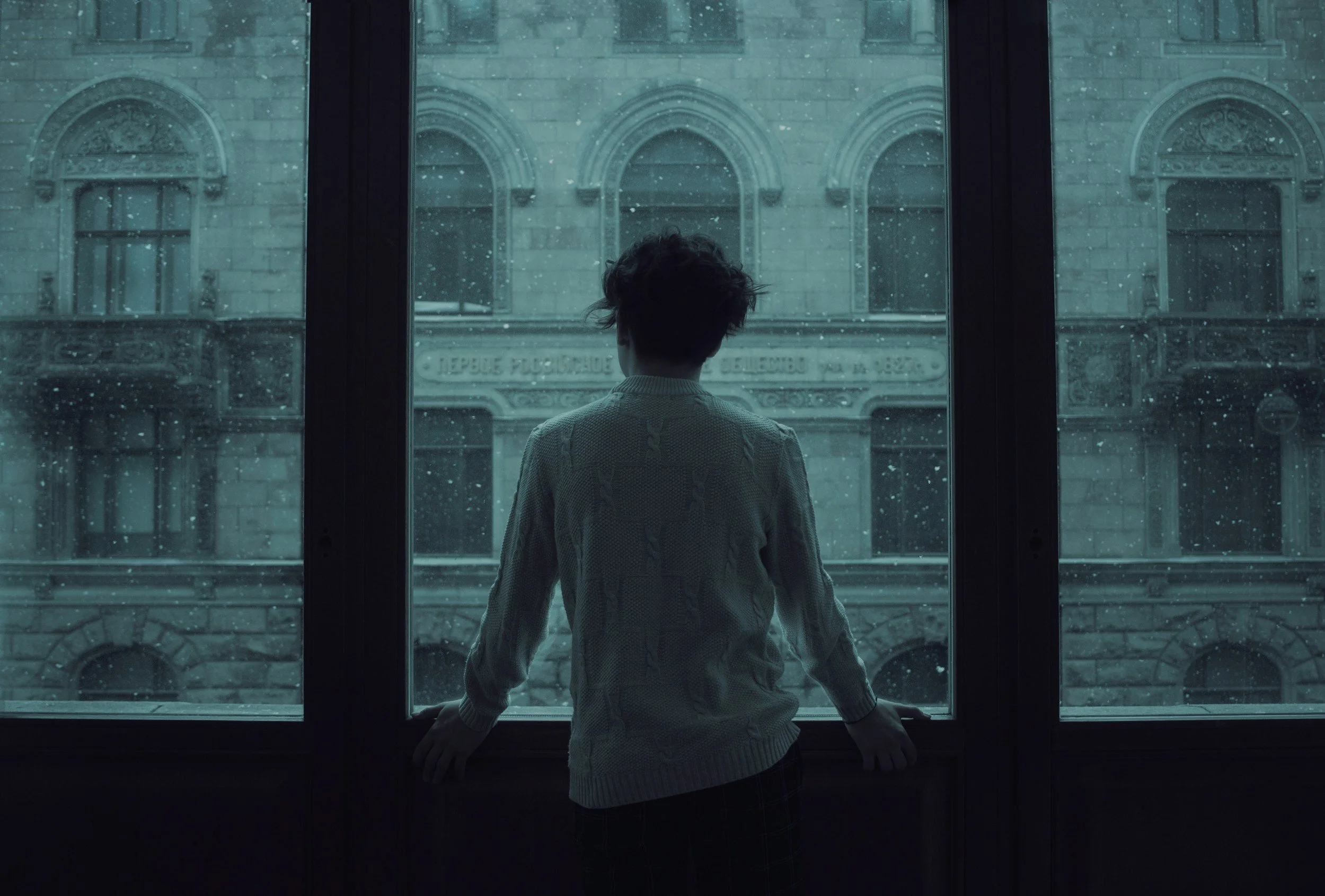
![Person with curly hair wearing a sweater, standing by a window and looking outside on a rainy day with an old building visible across the street.]()
Trauma
THE ECHO
Difficult experiences can continue to affect us long after the immediate danger has passed. Trauma may influence how we interpret threats, experience emotions, relate to others, and respond to situations that resemble earlier experiences. What once helped us survive may later leave us feeling stuck in patterns we no longer need. Healing can involve developing a greater sense of safety, understanding these responses, and gradually reclaiming a sense of choice.